The Evolution of Autism: A Historical Perspective on Neurodiversity

Understanding autism has been a long journey, with descriptions appearing in medical writing as early as the 18th and 19th centuries.
One key moment came in 1911, when Swiss psychiatrist Eugen Bleuler introduced the word autism to describe a deep withdrawal into inner thoughts. While his definition differed from how we use the term today, it marked the beginning of autism’s presence in medical vocabulary.
The Pioneers: Leo Kanner & Hans Asperger
Leo Kanner (1943)
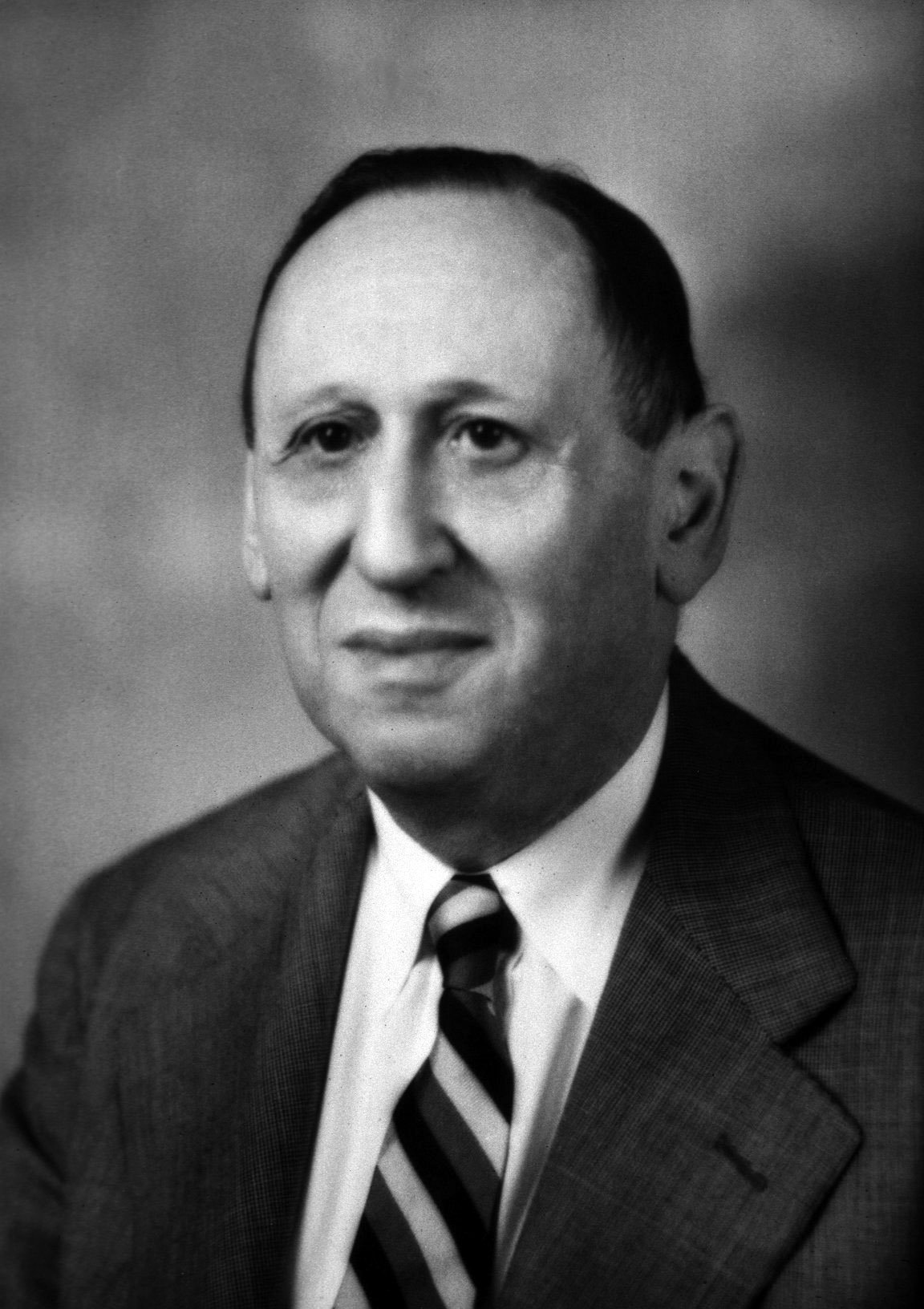
Kanner published the first clinical description of autism as a childhood developmental profile.
He observed:
- Early childhood onset
- A strong preference for sameness
- Differences in social communication
- Unique patterns of behaviour and interests
Kanner’s work helped separate autism from schizophrenia and established it as a distinct condition.
Hans Asperger (1944)
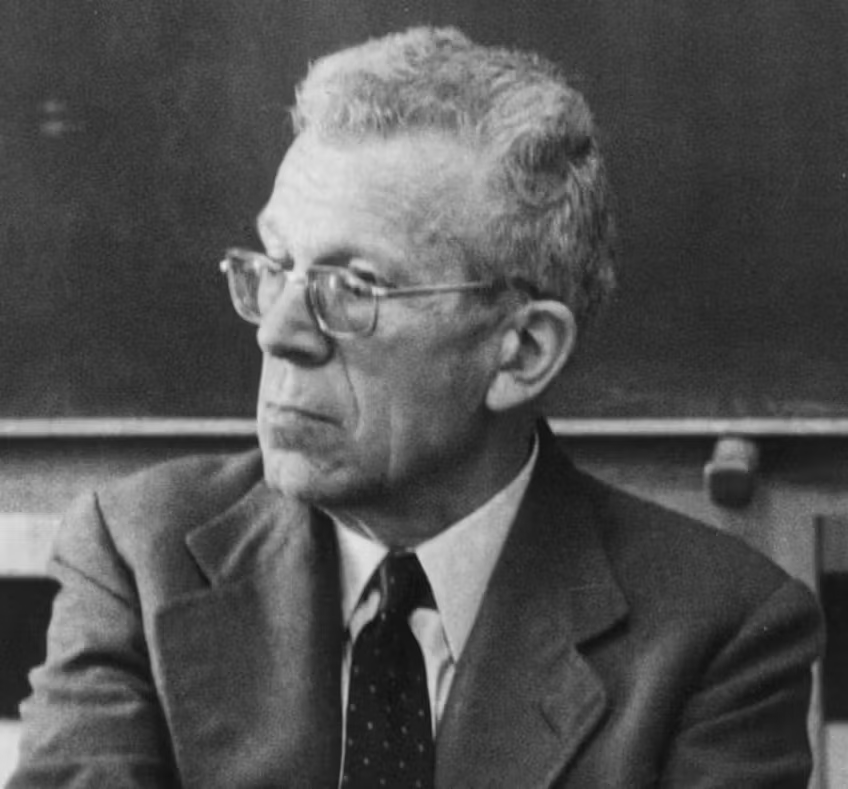
Around the same time, Hans Asperger documented children who had:
Social communication differences
Intense, focused interests
Average or high cognitive abilities
His work led to the later concept of Asperger’s syndrome—a term now absorbed into the wider autism spectrum.
Evolution of Diagnostic Criteria
1980- DSM-III
Autism officially recognised as a separate diagnosis.
1994 – DSM-IV
Categories introduced (Autistic Disorder, Asperger’s Syndrome, PDD-NOS).
1987 – DSM-III-R
Criteria expanded; shift toward recognising a spectrum of behaviours.
2013 – DSM-5
All subtypes combined into one: Autism Spectrum Disorder (ASD).
This reflected a better understanding that autism varies widely between individuals.
Parent-led advocacy groups became a powerful voice for change. Through their determination and lived experience, families helped shape public understanding, campaigned for inclusion, and pushed for better support and services. Their efforts were instrumental in shifting the conversation from ‘What is wrong?’ to ‘What support is needed?’—laying the foundations for today’s more informed and compassionate approaches.
The Rise of the Neurodiversity Movement

The neurodiversity movement, led largely by autistic self-advocates, reframed autism not as a deficit but as a natural variation of human neurology.
This movement emphasises:
Acceptance
Strengths-based perspectives
Autistic identity and pride
The importance of accessible, inclusive environments
This shift has been transformative, encouraging society to value autistic voices and experiences.
A Future Built on Understanding
The history of autism reflects a journey from misunderstanding to recognition, advocacy, and celebration. By learning from the past—and listening to autistic people today—we can continue to build a world that embraces neurodiversity and supports individuals to thrive on their own terms.