What is Autism?
Autism is a natural, lifelong variation in human neurology that shapes how autistic people understand, process, and interact with the world around them. Every autistic person is unique, with their own strengths, needs, and ways of navigating life. Autism is a spectrum, meaning there is no single experience of being autistic.
Autism is part of the natural diversity of human minds.
Autism as a Natural Neurological Variation
Autism reflects meaningful differences in how the brain processes information. These differences influence sensory experiences, communication, thinking styles, and social interaction—but they are not deficits. They represent another valid way of being human.
Common areas where autistic people may experience the world differently include:
Autistic people often experience the world through sharper, more intense, or more subtle sensory input. Sounds, lights, textures, tastes, and smells may feel overwhelming—or deeply soothing and engaging. These differences shape how environments are experienced and navigated.
Autistic individuals may move in ways that support regulation, comfort, or concentration. This can include stimming, variations in coordination, or differences in posture and gait. These movements are valid forms of communication and self-expression.
Communication is diverse. Autistic people may express themselves through speech, AAC, gestures, scripts, or silence. They might prefer direct, honest communication and need extra processing time. These preferences are part of natural human variation, not communication “deficits.”
Autistic attention patterns can be uniquely powerful. Many autistic people experience deep focus on interests or tasks, while shifting focus quickly between sensory or environmental cues. These differences influence learning, engagement, and how information is processed.
Autistic people may feel emotions intensely and show them differently. Emotional regulation differences can lead to overwhelm, shutdowns, or meltdowns—but they can also reflect strong empathy, passion, and authenticity. Supportive environments help emotional well-being flourish.
A Spectrum of Experiences
No two autistic individuals are the same. Some may need daily support; others may live independently. Some communicate verbally; others use AAC, gestures, or body language. Each profile is unique.
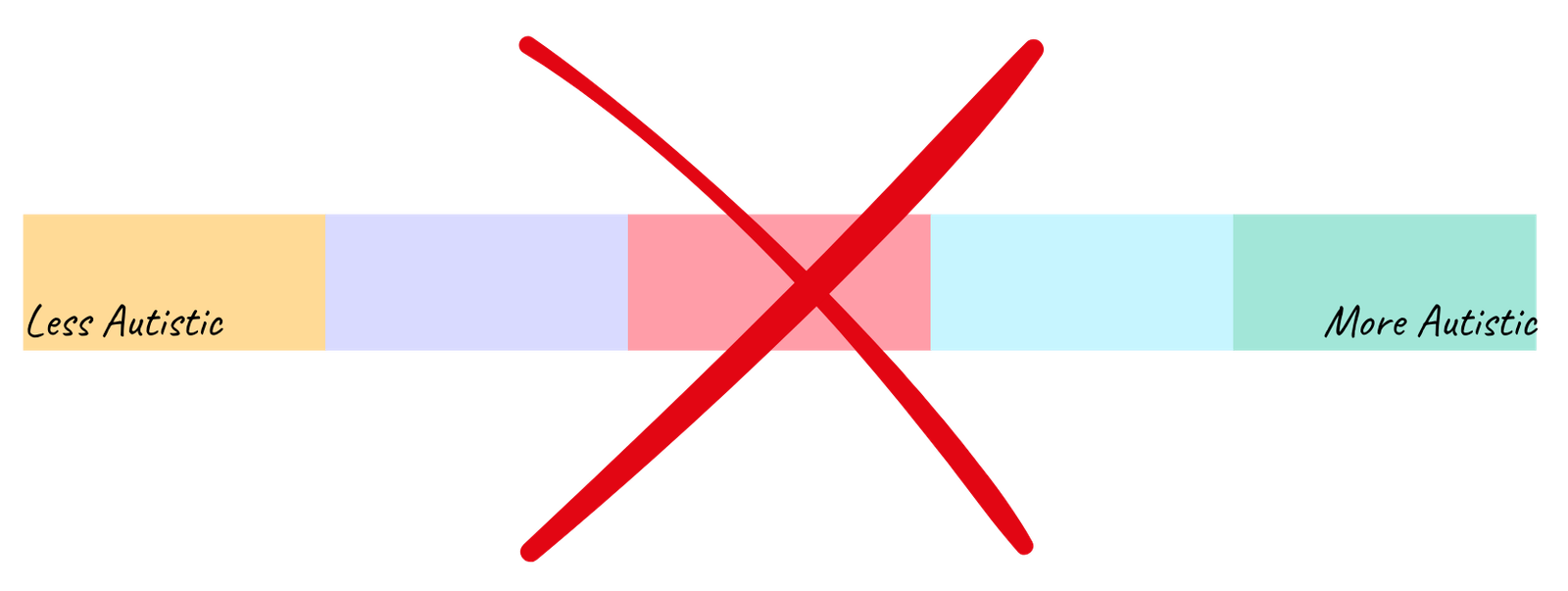
Autism does not rank people on a scale from “less autistic” to “more autistic.” Instead, each person has their own pattern of strengths, needs, and characteristics.
The Social Model of Disability
At Together for Neurodiversity, we use the social model of disability, which recognises that autism itself does not disable a person. What creates difficulty are external barriers such as:
Environments that overwhelm the senses
Social expectations that don’t allow for difference
Misunderstanding, stereotyping, or stigma
Inaccessible systems in education, health, or employment
By removing these barriers, autistic individuals can fully participate and thrive.
Autistic people do not need to be “fixed” or made more “normal.”
Society must adapt to embrace neurological diversity.
Strengths, Identity & Neurodiversity
Autistic people bring valuable qualities, insights, and strengths to the community. These strengths may include:
Deep Focus and Dedication
Creative and Innovative Thinking
Strong Pattern Recognition
Honesty and Authenticity
Unique Sensory Awareness
Passionate Interests
Autistic identity is an important and empowering part of many people’s lives. Understanding and embracing this identity supports wellbeing, confidence, and self-acceptance.
A Neuro-Affirming Approach
Respect autistic ways of thinking, feeling, and communicating
Focus on strengths as well as support needs
Avoid harmful “normalising” practices
Promote autonomy, acceptance, and dignity
Advocate for inclusive spaces and understanding communities
Building an Inclusive Society
When communities understand autism, make adjustments, and challenge stereotypes, barriers fall away. This benefits not only autistic people but everyone in society.
Inclusion means adjusting the environment, not the autistic person.
Practical steps include:
Conclusion
Autism is a natural and valuable part of human diversity. With acceptance, inclusion, and the right support, autistic individuals can lead fulfilling, meaningful, and empowered lives.
Ready to learn more?
Continue reading to explore the key characteristics of autism and how they shape everyday experiences.