Autism Characteristics: Understanding the Unique Traits of Neurodiversity
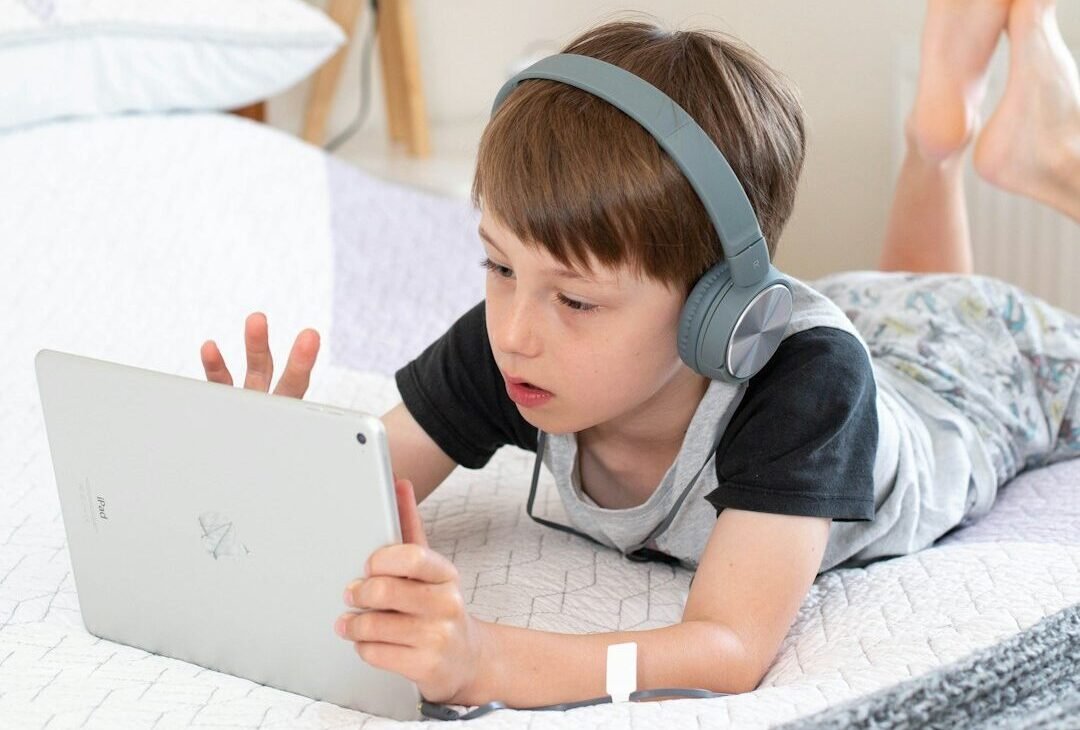
Autism reflects meaningful differences in the way the brain processes information. These differences can shape how a person experiences the world—through their senses, movement, communication, attention, and emotions. Importantly, these are not flaws or deficits. They represent a natural, valid, and valuable form of human diversity. When we understand autism through this strengths-based lens, we can recognise the richness of autistic perspectives and create environments that support every individual to thrive. The following areas offer a clearer look at some common ways autistic people may experience the world differently.
Communication Differences

Delayed Language Development
Some autistic individuals have delayed language development. This often manifests in the form of slower acquisition and usage of spoken language compared to non-autistic peers. This delay can present as a difficulty in initiating or responding to verbal communication, limited vocabulary, challenges in understanding and using grammar and atypical speech patterns such as echolalia or repetitive speech.
While the severity and timing of language delays vary widely among autistic individuals, they can significantly impact social interactions, academic progress and daily functioning. Early intervention, specialised speech therapy, augmentative and alternative communication (AAC) methods and supportive environments tailored to individual needs play crucial roles in addressing and accommodating delayed language development in autistic individuals, empowering them to communicate effectively and participate fully in their communities.
Advanced Language / Hyperlexia
Advanced language development and hyperlexia are distinctive characteristics sometimes observed in autistic individuals. Hyperlexia refers to a precocious ability to read at an early age, often before the age of five, despite limited or delayed language acquisition in other areas.
Advanced language development and hyperlexia are distinctive characteristics sometimes observed in autistic individuals. Hyperlexia refers to a precocious ability to read at an early age, often before the age of five, despite limited or delayed language acquisition in other areas. This trait is characterised by a fascination with letters, numbers and words, along with exceptional decoding skills.
While hyperlexic individuals may demonstrate remarkable reading abilities, their comprehension and pragmatic language skills may vary, leading to challenges in social communication and interaction. Despite these challenges, their advanced language development and hyperlexia can serve as strengths, providing opportunities for alternative modes of communication and learning, and highlighting the diverse cognitive profiles within autistic individuals.
Echolalia
Echolalia is a common characteristic observed in autistic individuals, characterised by the repetition of words, phrases or noises spoken by others. This phenomenon can manifest in immediate or delayed echolalia, where individuals may repeat what they hear either immediately after hearing it or at a later time. Echolalia serves various functions for autistic individuals, including communication, self-soothing and processing language. While it may appear repetitive or unusual to outsiders, echolalia often reflects an individual’s attempt to understand and engage with their environment.
In some autistic individuals, echolalia is internalised, and the individual will repeat words, phrases or noises in their mind. Understanding and respecting echolalia can foster effective communication strategies and promote a supportive and inclusive environment for individuals with autism.
Difficulties Using Pronouns
Autistic individuals may have trouble using pronouns, often preferring to refer to themselves or others by their names or specific nouns rather than using pronouns like he, she, or they. This characteristic can stem from challenges in understanding and navigating social nuances, including the subtle cues and conventions associated with pronoun usage. For some autistic individuals, pronouns may feel ambiguous or abstract, making them less intuitive to use in communication.
Additionally, the rigid adherence to rules or patterns in language processing commonly seen in autism may contribute to a preference for concrete and explicit forms of reference. Understanding and accommodating this trait can foster clearer communication and help create inclusive environments that respect individual differences in language expression and comprehension.
Literal Understanding
Autism is characterised by a unique cognitive style that often involves difficulty with literal understanding. Autistic individuals may struggle to grasp abstract or figurative language, instead interpreting communication in a strictly literal manner.
This means that expressions, idioms, metaphors and sarcasm can be challenging to comprehend, leading to misunderstandings in social interactions and everyday communication. For example, phrases like "raining cats and dogs" or "breaking the ice" may be taken at face value rather than understood as symbolic representations.
As a result, clear and direct communication is essential when interacting with individuals with autism, as it helps mitigate confusion and promotes effective understanding.
Preference for Concrete Language
Autistic individuals often exhibit a preference for using concrete language such as "She has a fever and a headache today". instead of "She’s feeling under the weather today". This trait reflects the cognitive processing style commonly associated with autism, where abstract or ambiguous language may pose challenges in comprehension. Instead, individuals with autism often thrive when communication is clear, specific and devoid of figurative language or subtle nuances.
This preference for concrete language can significantly impact various aspects of daily life, including social interactions, learning and problem-solving. By understanding and accommodating this characteristic, communication partners can facilitate more effective and meaningful interactions with autistic people, promoting mutual understanding and successful communication exchanges.
Autistic Communication Style
The communication differences described above can sometimes create challenges when autistic and non-autistic people interact, simply because they may use and interpret communication in different ways. However, autistic communication styles often align naturally with one another, resulting in clear, effective, and comfortable communication between autistic individuals.
Difficulties with Non-Verbal Communication

Eye Contact
Autistic individuals often encounter challenges with maintaining eye contact, a nuanced aspect of social interaction that carries significant weight in interpersonal communication. While the stereotype often portrays avoidance of eye contact as a defining feature, it’s crucial to recognise that the presentation varies widely among individuals. In some cases, highly masked individuals may appear to engage in typical levels of eye contact, yet their experience differs internally.
Unlike their neurotypical peers, autistic individuals may grapple with a heightened consciousness surrounding eye contact, navigating it more as a learned behaviour than an instinctual social cue. Put simply, some individuals may seem to make appropriate eye contact, but they are consciously aware of every time they make eye contact. This heightened awareness can result in discomfort or a sense of disconnect during interactions, as they must consciously regulate their gaze, which can be mentally taxing and detract from their ability to fully engage in social exchanges.
Facial Expressions
Autistic individuals often encounter challenges in interpreting and responding to facial expressions, a core aspect of social communication. Difficulty in recognising and understanding facial cues can hinder their ability to grasp others’ emotions and intentions accurately. For many individuals, decoding subtle shifts in facial expressions, such as fleeting micro expressions or nuanced changes in tone, can be overwhelming or confusing.
Consequently, this struggle may lead to difficulties in forming and maintaining social connections, as facial expressions serve as crucial nonverbal cues for empathy, rapport and social reciprocity.
Despite these challenges, autistic individuals may develop alternative strategies, such as relying on explicit verbal communication or learned rules, to navigate social interactions. Understanding these difficulties is key to fostering empathy and creating inclusive environments that support autistic people in their social interactions.
Tone Of Voice
Autistic individuals often struggle with interpreting and understanding tone of voice, which plays a crucial role in communication and social interaction. Difficulty in discerning subtle changes in pitch, volume and intonation can lead to challenges in accurately perceiving emotions and intentions conveyed through speech. As a result, autistic individuals may misinterpret the meaning behind spoken words, missing cues related to sarcasm, humour or emotional nuances.
This struggle with tone of voice can impact their ability to engage in effective verbal communication, comprehend social cues and navigate interpersonal interactions, contributing to difficulties in building and maintaining relationships. Additionally, these challenges may lead to feelings of frustration, isolation and anxiety in social situations.
Understanding and accommodating these differences in tone perception is essential for creating supportive environments that promote effective communication and social inclusion for autistic people.
Body Language
Autistic individuals often struggle with interpreting and understanding body language, which plays a crucial role in social interaction and communication. Difficulty in deciphering non-verbal cues such as facial expressions, gestures and tone of voice can make it challenging for them to grasp the emotions, intentions and subtle nuances conveyed by others. This can lead to misunderstandings, social awkwardness and feelings of isolation.
Additionally, autistic individuals may also find it challenging to regulate their own body language effectively, leading to difficulties in expressing their own emotions and intentions in ways that are easily understood by neurotypical individuals. These struggles with body language comprehension and expression are a key characteristic of autism and highlight the importance of tailored support and understanding in promoting effective communication and social interaction for autistic individuals.
Use Of Gestures
Autistic individuals often struggle with the use and interpretation of gestures, which are a fundamental aspect of nonverbal communication. Gestures such as pointing, waving or making facial expressions play a crucial role in conveying meaning, emotions and social cues in everyday interactions.
For autistic individuals however, understanding and using gestures can be challenging due to differences in social communication and sensory processing. They may have difficulty interpreting the subtle nuances and context-dependent nature of gestures, leading to misunderstandings or misinterpretations in social situations.
Likewise, autistic individuals may find it challenging to initiate or reciprocate gestures appropriately, which can affect their ability to establish and maintain social connections. These difficulties with gestures are often accompanied by a preference for more direct and concrete forms of communication, such as verbal language or visual aids, in order to navigate social interactions effectively.
Stimming/Repetitive Behaviours

Stimming, short for self-stimulatory behaviour, refers to repetitive movements, sounds or actions often seen in autistic individuals. These behaviours serve various purposes, such as regulating sensory input, relieving anxiety, expressing excitement or simply providing comfort. Stimming behaviours can include hand-flapping, rocking, spinning objects, vocalizations or repeating phrases.
While stimming is a natural and often comforting behaviour for many autistic individuals, it can sometimes be misunderstood or stigmatised by those unfamiliar with autism. It's important to recognise that stimming is a valid and individualised aspect of autism, and understanding and accepting it is crucial for supporting autistic individuals in their daily lives.
Intense Interests

Intense interests, often referred to as 'special interests', are a common characteristic among autistic individuals. These interests typically involve a deep and focused fascination with specific topics, hobbies or activities. What sets intense interests in autism apart is the level of dedication and enthusiasm individuals exhibit towards their chosen subjects. These interests can vary widely, ranging from trains and dinosaurs to mathematics, music or computer programming.
For many autistic people, these intense interests serve as a source of joy, comfort and engagement, providing a sense of predictability and control in a world that may otherwise feel overwhelming. Embracing and supporting these interests can not only bring fulfilment to autistics but also serve as a pathway for learning, skill development and social connection.
Sensory Differences
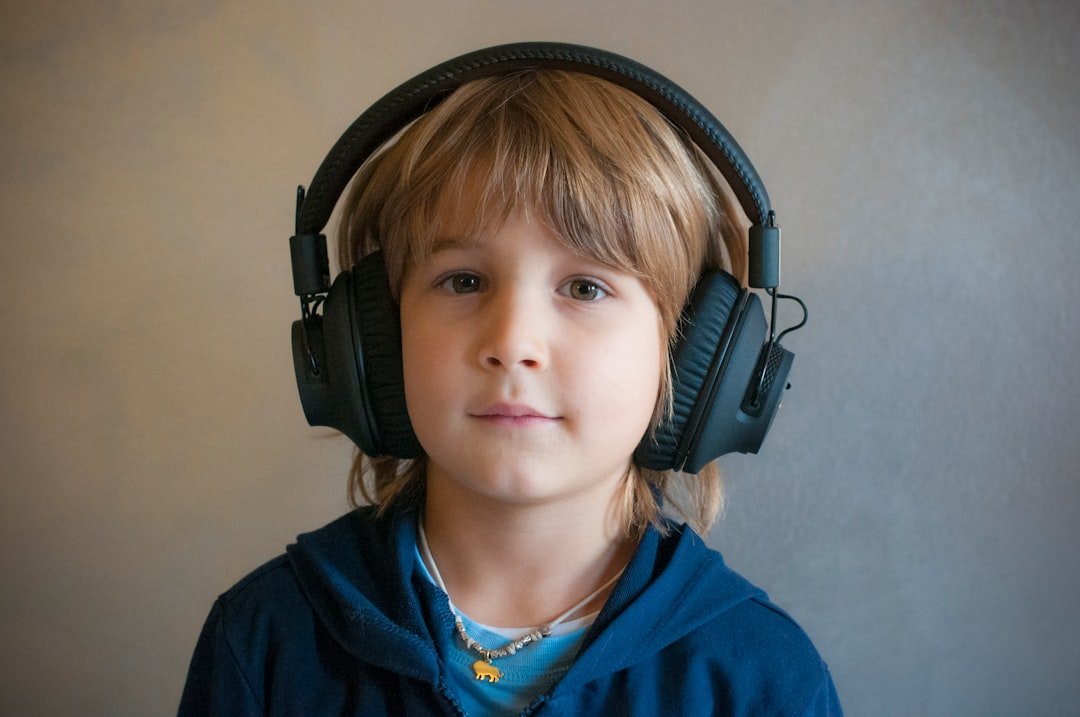
Sensory differences are a hallmark characteristic of autism, encompassing a wide range of atypical responses to sensory stimuli. Autistic individuals may experience heightened sensitivity, where ordinary sounds, lights, textures or smells can feel overwhelming or distressing.
Conversely, some individuals may demonstrate sensory seeking behaviours, actively seeking out certain sensations for comfort or stimulation. Additionally, others may exhibit sensory difficulties in processing and integrating sensory information, leading to challenges in regulating their responses to the environment.
These sensory differences can impact daily functioning, social interactions and emotional wellbeing, highlighting the importance of understanding and accommodating sensory needs for autistic people.
Transition Difficulties

Autistic individuals often experience challenges with transitions, which can manifest in various aspects of daily life. Transition difficulties may arise when shifting from one activity to another, moving between environments or facing unexpected changes in routines. These challenges can stem from sensory sensitivities, difficulty with abstract thinking and a preference for predictability and sameness.
Transitions may evoke feelings of anxiety, overwhelm or confusion, leading to meltdowns or shutdowns in some cases. It’s important to recognise that transition difficulties are a valid aspect of the autistic experience and may require understanding, patience and appropriate support strategies to help individuals navigate these transitions successfully.
Need for Routine

Another characteristic commonly observed in autistic individuals is the need for routine. Establishing and adhering to routines can provide a sense of predictability, stability and comfort in a world that may often feel overwhelming due to sensory sensitivities and difficulties with change. Routine offers a structured framework within which individuals can navigate daily activities and transitions more smoothly, reducing anxiety and promoting a sense of control over their environment.
Consistency in routines can also enhance learning, communication and social interaction skills by providing familiar contexts for engagement. Recognising and respecting the importance of routine in the lives of autistic individuals is essential for supporting their overall well-being and fostering a sense of empowerment and autonomy.
Skill Proficiency / Savant Skills

Skill proficiency and savant skills are often noteworthy characteristics within the autistic community. Skill proficiency refers to areas where individuals excel and demonstrate expertise, such as mathematics, music, art or memorization. Meanwhile, savant skills represent an extraordinary ability or talent that surpasses typical levels, showcasing remarkable capabilities in specific domains.
These skills can vary widely among autistic individuals, highlighting the diverse talents and strengths within the community. While not all autistic people possess savant abilities, skill proficiency and savant skills illustrate the unique cognitive profiles and talents that contribute to the richness and diversity of the autistic experience. Embracing and celebrating these talents is an essential aspect of understanding and appreciating autism.
Preference for Solitary Activity

Autistic individuals often display a preference for solitary activities, which is a characteristic commonly associated with autism. This inclination towards solitary pursuits stems from a variety of factors, including sensory sensitivities, difficulty with social interactions and a need for predictability and routine.
Engaging in solitary activities allows autistic individuals to regulate their sensory experiences in environments they can control, reducing the overwhelming sensory input they may encounter in social settings.
Additionally, solitary activities provide a sense of comfort and security, enabling individuals to pursue their interests and passions without the pressure of social expectations or the need to navigate complex social dynamics. While some may perceive this preference as isolation or withdrawal, it is essential to recognise that for many autistic individuals, solitary activities are a source of enjoyment, fulfilment and self-expression.
Friendship Difficulties
Autistic individuals may experience unique challenges in forming and maintaining friendships due to differences in social communication and interaction styles. These challenges often stem from difficulties in understanding social cues, interpreting nonverbal signals and navigating the complexities of social relationships.
For many autistic people, the unwritten rules of social interaction can be confusing and overwhelming, leading to feelings of isolation or exclusion.
Additionally, sensory sensitivities and intense interests may influence their preferences for social activities and interactions, making it challenging to find common ground with peers. Despite these obstacles, autistic individuals often possess genuine empathy, loyalty and honesty in their relationships, seeking meaningful connections based on shared interests and understanding.
By recognising and respecting these differences, building inclusive environments and providing support for social skills development, we can foster more understanding and supportive friendships for autistic individuals.
Social Anxiety

Autistic social anxiety often manifests as an intense fear or discomfort in social situations, stemming from challenges with understanding social cues, norms and expectations. Autistic individuals may struggle with interpreting facial expressions, body language and tone of voice, making social interactions confusing and overwhelming. This difficulty in social communication can lead to heightened anxiety, avoidance of social gatherings and feelings of isolation.
Autistic individuals may also experience anxiety related to sensory sensitivities, such as loud noises, bright lights or crowded spaces, which can exacerbate their discomfort in social environments. It’s important to recognize that autistic social anxiety is not a choice or a character flaw but a common aspect of the neurodevelopmental condition, and providing understanding and support is essential in helping autistic individuals navigate social interactions with greater comfort and confidence.
Masking
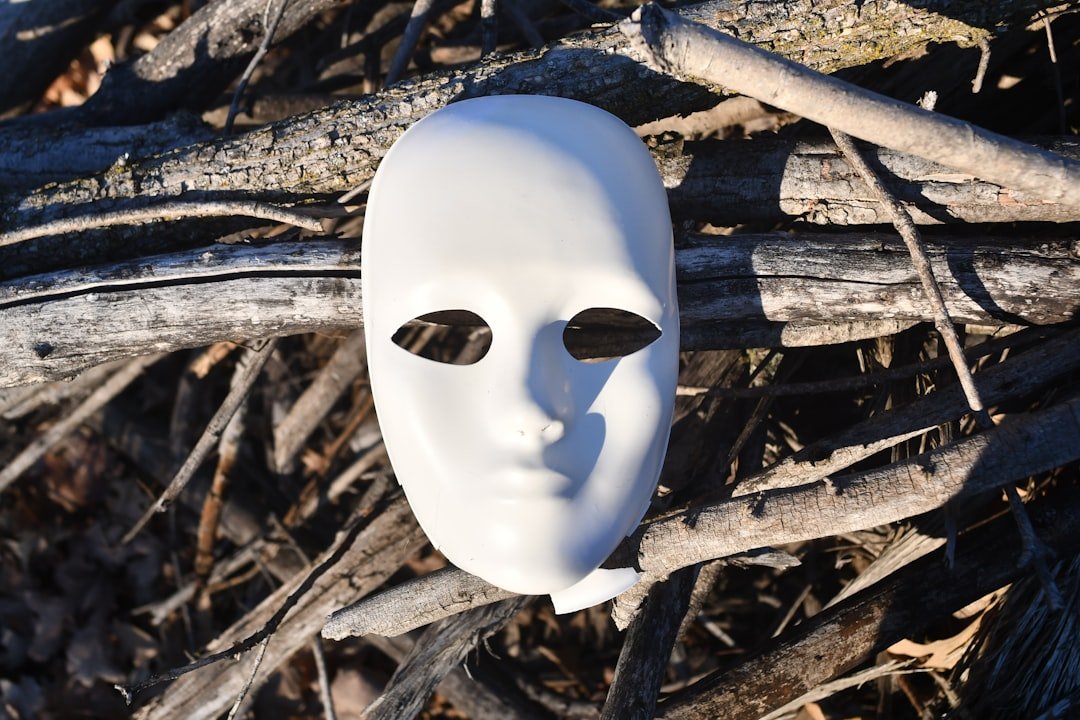
Autistic masking, also known as camouflaging, refers to the process by which autistic individuals mimic or suppress their autistic traits and behaviours in social situations to fit in or appear more 'neurotypical' (non-autistic). This masking often involves imitating social cues, mimicking expressions and suppressing stimming behaviours or special interests to conform to societal norms.
While masking can help individuals navigate social interactions and avoid stigma, it can also be exhausting and detrimental to their mental health, leading to feelings of anxiety, stress and identity confusion.
Autistic masking may result in difficulties in self-expression and authentic communication, as individuals may struggle to express their true thoughts, emotions and needs while maintaining their masked persona.
It is important to recognise and support autistic individuals in embracing their authentic selves and advocating for environments that value neurodiversity and acceptance.
Empathy Differences

Empathy, often misunderstood in the context of autism, is a deeply ingrained aspect of autistic identity. Contrary to the myth that autistics lack empathy, many individuals on the spectrum experience empathy in profound and unique ways.
While some may struggle with recognising and expressing emotions in conventional ways, others exhibit hyper empathy, wherein they intensely feel the emotions of those around them.
This heightened sensitivity to others’ feelings can lead to a profound understanding and connection with others, challenging the misconception that empathy is absent in autistic individuals. It’s important to recognise and celebrate the diverse manifestations of empathy within the autistic community, debunking harmful stereotypes and fostering greater understanding and acceptance.
Executive Functioning Difficulties

Executive functioning difficulties are a common aspect of autism, impacting individuals' ability to plan, organise, prioritise and regulate their thoughts and actions. Autistic individuals often experience challenges in areas such as time management, decision-making, impulse control and working memory.
These difficulties can manifest in various ways, such as struggling to start or complete tasks, difficulty with multitasking or feeling overwhelmed by changes in routine. Additionally, autistic people may find it challenging to transition between activities or manage their emotions in response to unexpected events.
While executive functioning difficulties vary from person to person, they can significantly impact daily functioning and may require tailored support strategies to promote independence and success.
Need for Autonomy

Autistic individuals often have a strong need for autonomy, which is a fundamental aspect of their identity. This desire for independence stems from a deep-rooted sense of self-awareness and a unique way of processing the world. Autistic people may express autonomy by seeking control over their environment, routines and decision-making processes.
This need for autonomy is not a sign of defiance or stubbornness but rather a natural inclination to navigate the world on their own terms. Autistic individuals thrive when given the freedom to express their preferences, interests and strengths, allowing them to develop a sense of agency and self-confidence.
Embracing and respecting this need for autonomy is essential in fostering a supportive and inclusive environment that honours the diverse experiences and perspectives of autistic individuals.
Strong Sense of Justice

Autistic individuals often exhibit a strong sense of justice, driven by a deeply held belief in fairness and equality. This characteristic stems from their acute sensitivity to discrepancies between what is perceived as right and wrong.
With a keen eye for detail and a commitment to principles, autistic individuals are often uncompromising in their pursuit of justice, advocating for themselves and others with unwavering determination. Their adherence to moral values and dedication to truth make them formidable allies in the fight against injustice, as they bring a unique perspective and a fervent dedication to creating a more equitable world for all.
Monotropic Attention

Autistic individuals often exhibit a unique attention style known as monotropic attention. This characteristic refers to the intense focus and concentration on one particular task, interest or sensory input at a time, to the exclusion of other stimuli.
In the context of monotropic attention, autistic individuals may become deeply engrossed in their areas of interest, displaying remarkable attention to detail and a preference for routine and predictability. Put simply, whereas neurotypical individuals would distribute their attention between tasks and so could easily switch tasks, autistic individuals tend to devote almost all of their available attention to the task at hand which can make multitasking, switching attention and interruptions difficult.
This attention style can manifest across various activities, from passionate pursuits like trains or dinosaurs to meticulous organisational habits or specific sensory preferences. Embracing and understanding monotropic attention as a core aspect of autistic identity can foster appreciation for the diverse ways in which autistic individuals engage with the world around them.
Detail Oriented
Autistic individuals often exhibit a characteristic trait of being detail-oriented, which means they possess a keen ability to notice and focus on small details in their environment or tasks. This tendency allows autistic people to perceive nuances and intricacies that others might overlook, contributing to their unique perspective and insights. Rather than viewing the world in broad strokes, autistic individuals tend to see the small details first before piecing together the bigger picture.
This attention to detail can be advantageous in various contexts, such as problem-solving, creative endeavours and analytical thinking. Its essential however to recognise that this trait varies, and not all autistic people may exhibit the same level of detail orientation. Embracing and understanding this aspect of autism can foster appreciation for the diverse ways in which individuals perceive and interact with the world.
Self-Injurious Behaviour

Self-injurious behaviour, a common trait among autistic individuals, refers to actions that result in physical harm or injury to oneself. This behaviour can manifest in various forms, such as head-banging, biting, scratching or hitting oneself.
While the reasons behind self-injurious behaviour can vary greatly from person to person, it is often associated with difficulties in regulating emotions, sensory sensitivities, communication challenges or frustration with the surrounding environment.
It's important to recognize that self-injurious behaviour is not a defining characteristic of autism, but rather a complex behaviour that may occur in response to a range of factors. Understanding and addressing the underlying triggers and providing appropriate support and interventions are essential in helping individuals manage and cope with this challenging aspect of autism.
Delayed Motor Development

Autistic individuals may experience challenges in the development and coordination of their motor skills, such as walking, running or fine motor tasks like writing or buttoning clothing. This delay in motor development can manifest in various ways, ranging from difficulties with balance and coordination to slower reaction times and clumsiness.
These challenges may impact an individual’s ability to participate in physical activities or daily tasks that require precise motor control.
It’s important to recognise that delayed motor movement is a spectrum, and while some autistic individuals may experience significant difficulties, others may only exhibit mild delays. Understanding and supporting individuals with delayed motor movement is crucial for promoting their independence and overall well-being.
Drawn to Water

Autistic individuals often exhibit a strong attraction to water, a trait that can be attributed to sensory seeking behaviour and a fascination with the sensory properties of water. The calming sound of flowing water, the tactile sensation of splashing and the visual allure of shimmering surfaces can provide comfort and stimulation for many autistic people.
This attraction to water however can also pose significant dangers, as individuals may be drawn to bodies of water without fully understanding the risks involved. Drowning is a leading cause of accidental death among autistic individuals, highlighting the importance of water safety education and supervision.
It is crucial for caregivers and communities to recognise and address this trait by implementing appropriate safety measures, such as teaching water safety skills, using barriers and alarms around bodies of water, and closely supervising individuals with a propensity for wandering or fascination with water.
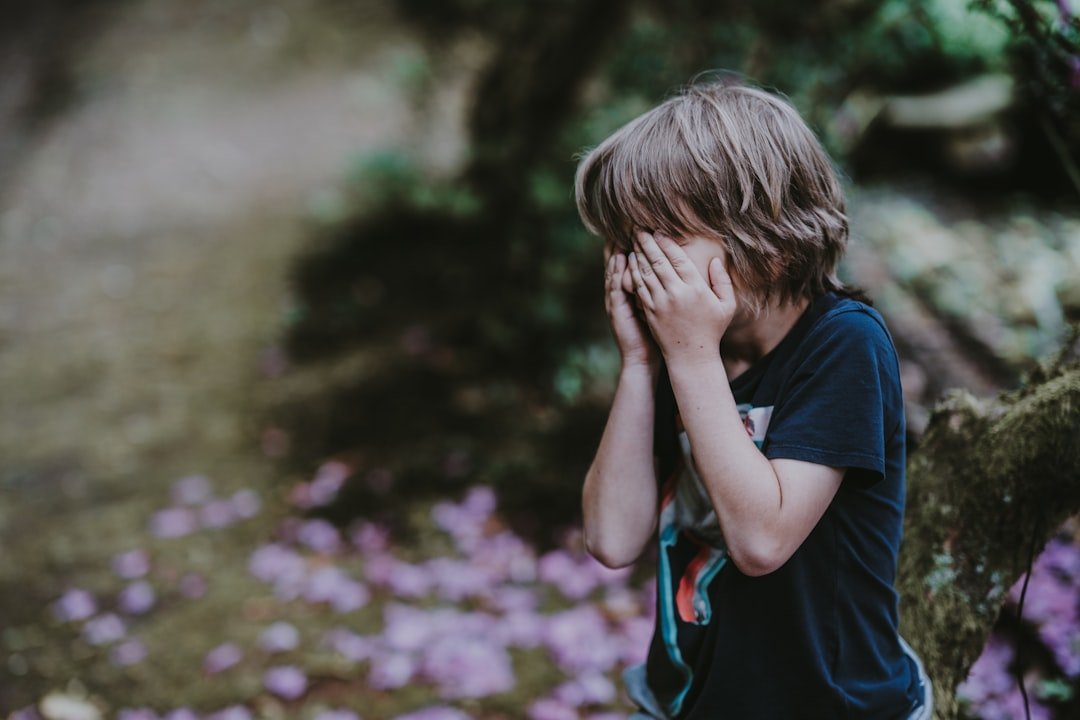
Autistic individuals may experience meltdowns, which are intense responses to overwhelming sensory, emotional or environmental stimuli. These meltdowns are not tantrums or deliberate behaviours but are instead involuntary reactions to sensory overload, stress or change.
During a meltdown, an autistic person may become overwhelmed by their surroundings or emotions, leading to a loss of control over their behaviour and communication. This can manifest in various ways, such as crying, screaming, rocking, or withdrawing. It’s crucial to understand that meltdowns are a natural response for autistic individuals and not a sign of intentional misbehaviour.
Providing support, understanding and creating a calming environment can help mitigate meltdowns and support the emotional wellbeing of autistic individuals.

Autistic individuals may experience shutdowns, a common trait characterised by a sudden and overwhelming withdrawal from social interaction and communication. During a shutdown, sensory overload, emotional overwhelm or stress can trigger a temporary shutdown of cognitive processing and outward expression. This may manifest as the individual becoming non-responsive, withdrawn or appearing disconnected from their surroundings.
Shutdowns are not a choice or a behaviour, but rather a natural response to sensory and emotional overload, often serving as a coping mechanism to regulate stimulation and restore equilibrium.
It's important to recognise that shutdowns are part of the diverse spectrum of autistic experiences and may vary in intensity and duration from person to person. Supporting autistic individuals during shutdowns involves providing a calm and understanding environment, respecting their need for space and sensory regulation and offering patience and reassurance as they navigate their emotions and sensory experiences.
Conclusion
Autistic individuals exhibit a wide range of characteristics and traits that shape their unique experiences and interactions with the world. Understanding these traits—from communication differences and sensory sensitivities to intense interests and social challenges—is crucial for fostering an inclusive and supportive environment. Recognising that each autistic person is unique allows us to appreciate the diversity within the autism spectrum and better accommodate their individual needs.
By embracing these differences, we can promote empathy, acceptance and meaningful engagement, ultimately helping autistic individuals to thrive and participate fully in their communities.