Unravelling the Origins of Autism: Genetic, Environmental, and Beyond
Autism doesn’t have a single identifiable cause. Instead, research shows it emerges from a combination of genetic, environmental, and possibly other biological factors that interact in intricate, interconnected ways. These influences help explain why autism is so varied and why every autistic person presents differently.
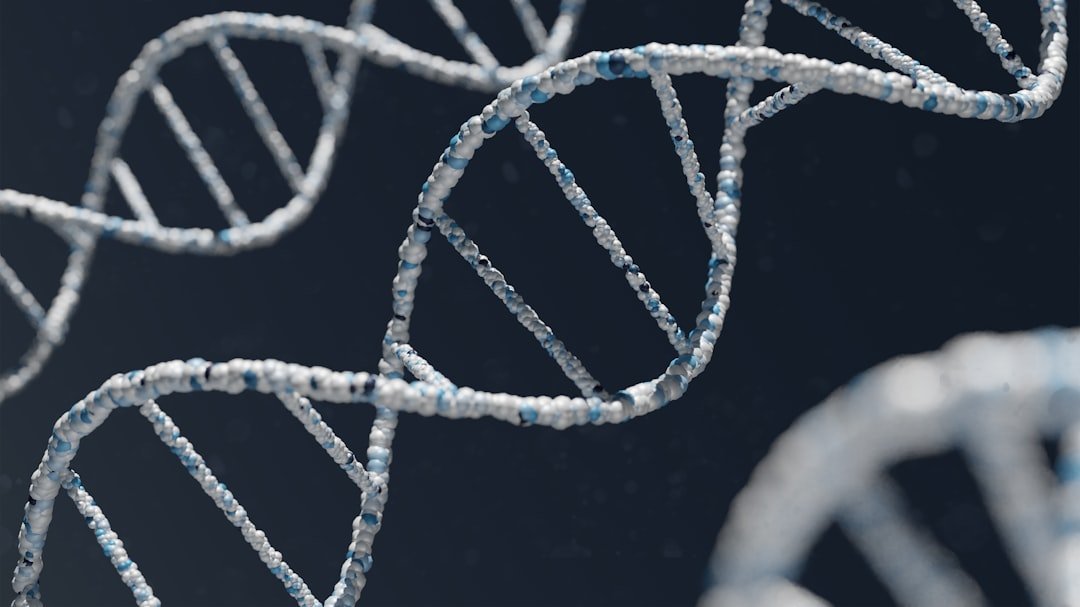
Genetic Foundations
Genetics play a crucial role in the development of autism. Studies with families and twins show a clear hereditary link: autism often runs in families, and many genetic variations are known to influence how the autistic brain develops.
What We Know
- Scientists have identified hundreds of genes associated with autism
- No single gene “causes” autism.
- These genes influence neural pathways, connectivity, and development, contributing to the wide spectrum of traits.
How Genes Shape the Autistic Brain
Some genes impact:
- How neurons communicate
- How early brain development unfolds
- Sensory processing pathways
- Cognitive strengths and differences
- Social and communication-related circuits
Genetics increase likelihood, not certainty. A person may have a genetic predisposition but never become autistic unless other factors interact with it.

Environmental Influences
Environmental factors don’t “cause” autism — but they may influence development, particularly when combined with genetic susceptibility.
Prenatal & Perinatal Factors Often Studied
- Advanced parental age
- Maternal infections during pregnancy
- Exposure to certain medications or toxins
- Birth complications (e.g., oxygen deprivation, low birth weight)
These factors are correlations, not direct causes. They may shape how the developing brain responds to existing genetic differences.
How Environment Interacts with Genetics
Think of genes as the blueprint and the environment as the conditions that affect how the blueprint unfolds.
For example:
- A prenatal infection might impact a developing brain already genetically inclined toward autistic traits.
- A difficult birth may influence outcomes for a baby with a genetic predisposition.
Again, these influences are risk modifiers, not guarantees.
Emerging Research Areas
Autism research continues to expand into new and exciting areas, giving a fuller picture of how complex human development truly is.
Epigenetics
Epigenetics explores how environmental factors can switch genes on or off without altering DNA.
These changes may influence how genetic predispositions are expressed.
The Gut-Brain Axis
Research is exploring:
- Microbiome differences
- Immune system pathways
- How gut health may relate to neurological functioning
These findings are early but promising, highlighting autism as a multifactorial neuro-developmental difference.
Immune Function
Some studies examine how prenatal immune responses may shape early brain pathways, depending on genetic susceptibility.
A Hollistic Understanding
“Autism arises from a combination of influences — genetic, environmental, and biological — interacting in ways unique to each person.”
This broader view moves society away from simplistic explanations and recognises autism as a natural variation of human development shaped by many interconnected factors.
Looking Forward
Understanding the origins of autism means looking at the whole picture, not searching for a single cause.
As research continues to evolve, it brings us closer to:
- Supporting early identification
- Developing personalised approaches
- Improving environments and accessibility
- Empowering autistic individuals and their families
Autism is multifaceted — and so is the science behind it. The more we learn, the better we can support diverse neurological experiences.
Ready to learn more?
Continue exploring the foundations of autism by reading the next article: Understanding the Autism Diagnosis Process: What You Need to Know