Unmasking Autism: Embracing Authenticity Over Camouflage
What Is Masking?
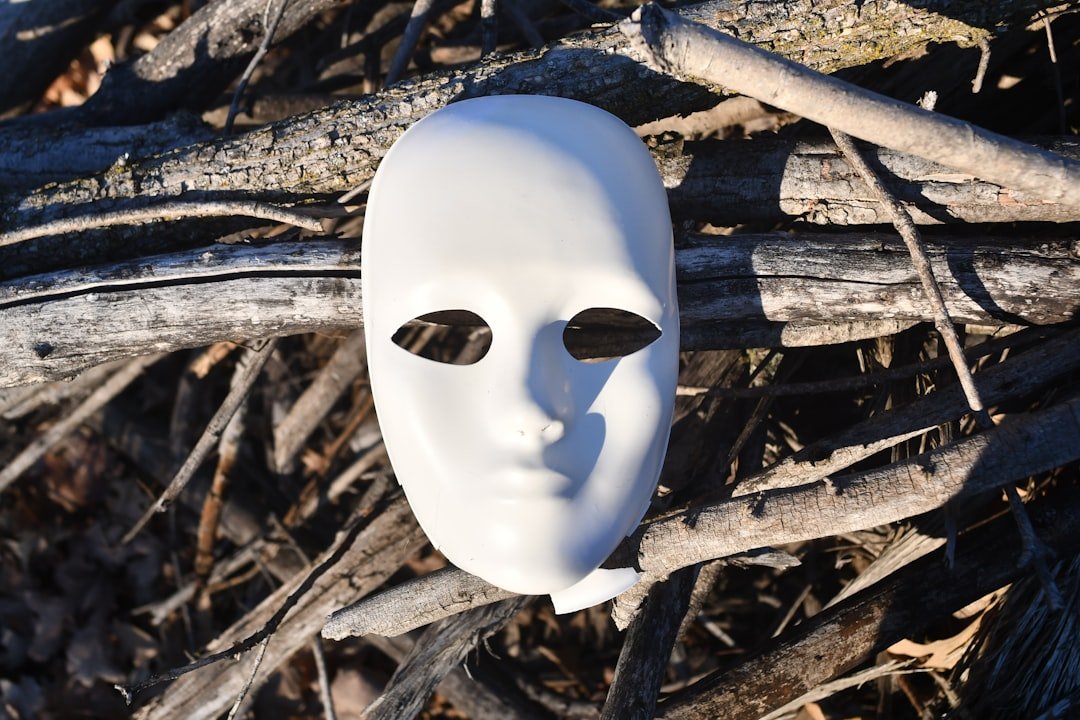
Masking is when autistic people consciously or unconsciously hide or tone down their natural autistic traits in social, educational, or professional settings.
This might include:
Mirroring or mimicking social behaviours
Forcing or maintaining eye contact
Copying tone, gestures, or mannerisms
Suppressing stimming
Rehearsing conversations
Closely monitoring facial expressions or body language
Why People Mask?
Masking can be a way to avoid bullying, judgement, or exclusion, especially in environments that don’t understand neurodiversity.
Some people mask to manage sensory overwhelm or anxiety, particularly when situations are unpredictable or confusing.
Many settings have unspoken rules about what is considered “appropriate” or “professional,” which can pressure autistic people to mask.
Masking may help reduce discrimination or negative reactions in unfamiliar or unsafe environments.
The Hidden Costs of Masking

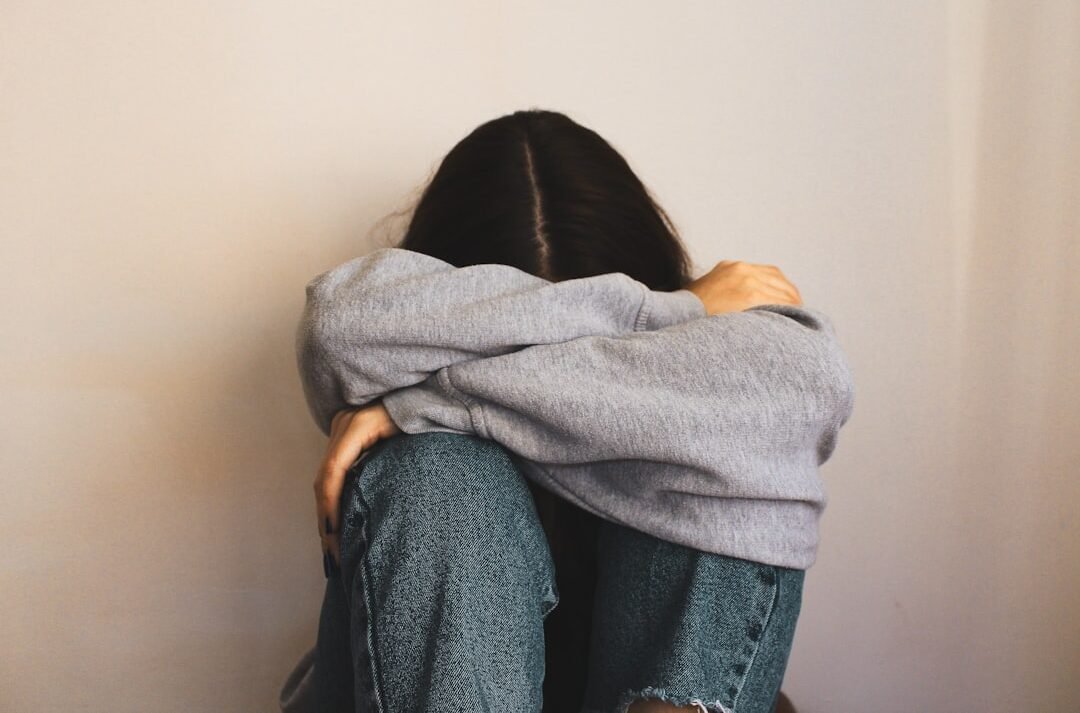
Mental & Emotional Exhaustion
Monitoring behaviour and maintaining a “social performance” can lead to burnout, anxiety, and chronic fatigue.
Identity Confusion
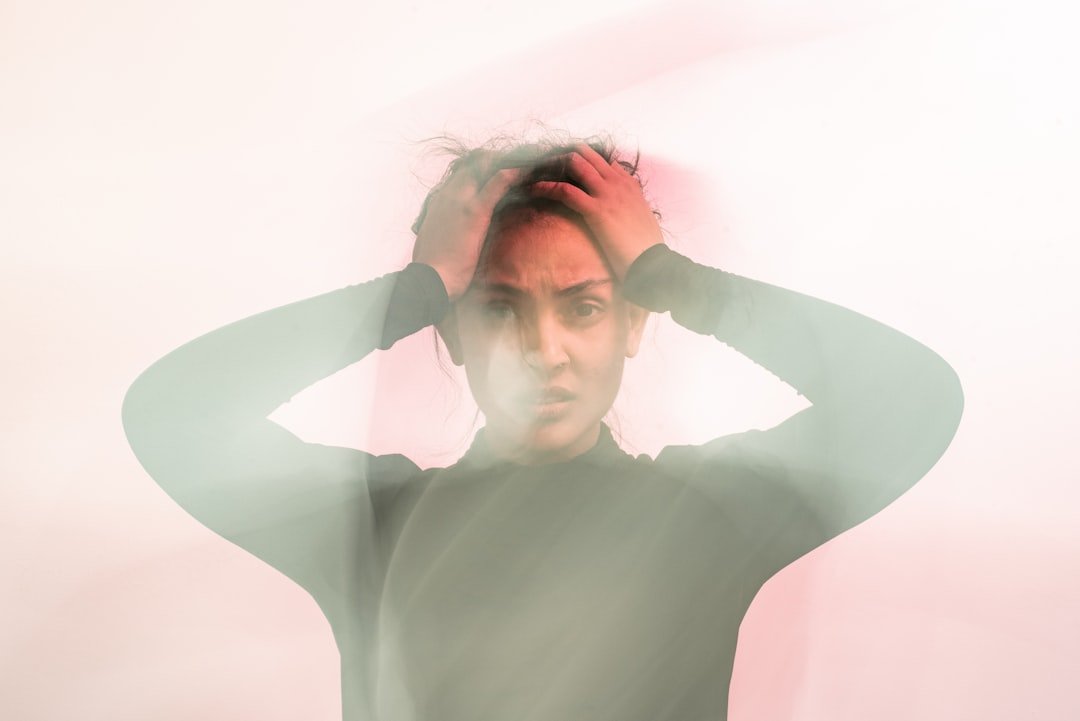
Masking can create distance between a person’s inner self and the version they present to others.
Barriers to Support
Disconnection & Loneliness
Masking reduces opportunities for authentic connection, self-expression, and genuine relationships.
Are There Any Benefits?
Moving Towards Authenticity & Acceptance

Create Safe, Accepting Spaces
Encourage environments where autistic people feel welcome to be themselves—no pressure, no scripts.

Advocate & Empower
Support autistic individuals to express their needs, set boundaries, and access accommodations without feeling judged.
Educate the Wider Community
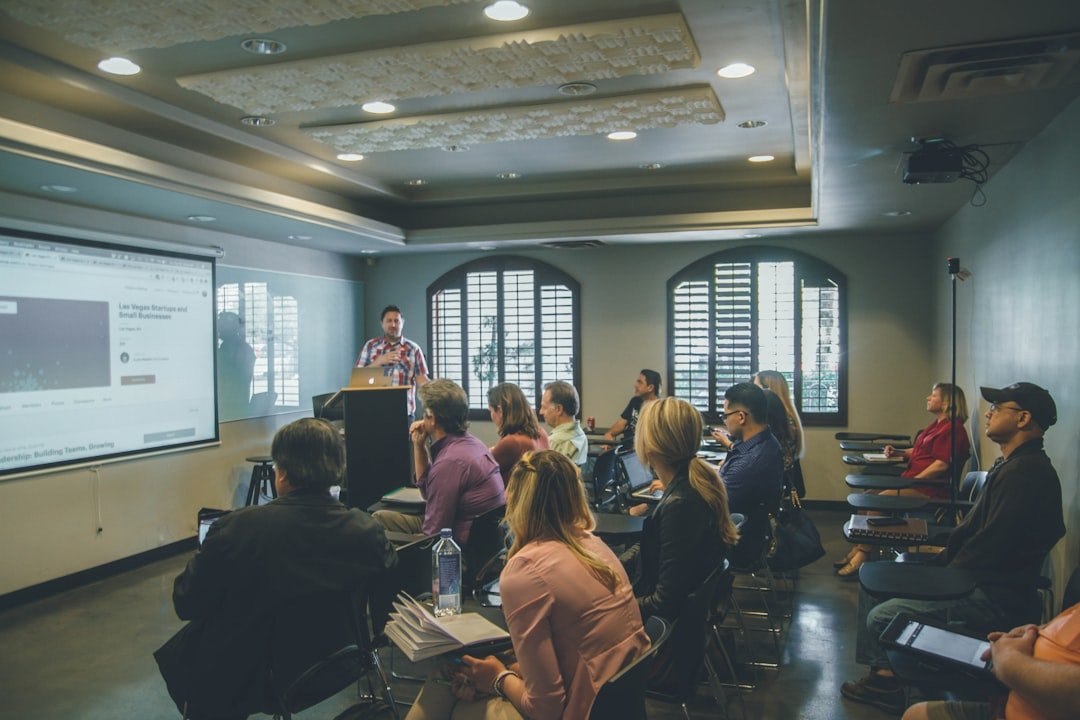
Families, schools, and workplaces benefit from understanding what masking is, why it happens, and how to reduce the pressure to mask.
Promote Supportive Adjustments
Offer sensory-friendly spaces, flexible communication options, quiet areas, and acceptance of natural autistic behaviours such as stimming.
A More Authentic Future
Masking is often a survival strategy in a world that hasn’t fully embraced neurodiversity—yet.By recognising the emotional labour involved in masking and creating environments where autistic people feel genuinely safe to be themselves, we move closer to true inclusion.
Let’s build a world where autistic people never feel they need to hide—because they are valued exactly as they are.
Ready to Learn More?
Next Article: Autistic Meltdowns: Learning to Live With and Manage the Temporary Loss of Control