











At Together for Neurodiversity, we believe that social stories are a powerful tool for helping neurodiverse individuals better understand social situations and navigate the world around them. This resource page is designed to guide families, educators, and caregivers in using social stories effectively.
What Are Social Stories?
Social stories are short, descriptive narratives that explain social situations, behaviours, or concepts in a clear and simple way. These stories help neurodiverse children and young people better understand how to respond in various scenarios, such as going to school, making friends, or visiting a new place.
Originally developed for autistic individuals, social stories can be useful for anyone who benefits from additional support in understanding social interactions or changes in routine.
Why Are They Useful?
Social stories can be incredibly beneficial because they:
- Reduce anxiety by providing a clear, step-by-step explanation of what to expect in unfamiliar situations.
- Promote independence by helping neurodiverse individuals understand and practice appropriate responses to social cues.
- Encourage positive behaviour by outlining expectations in a non-confrontational, supportive way.
- Support transitions and change by preparing individuals for upcoming events, whether it’s starting school, visiting the doctor, or going on holiday.
What Makes a Good Social Story?
A well-crafted social story should:
- Be simple and clear: Use straightforward language that is easy to understand. Avoid metaphors or overly complex sentences.
- Focus on positivity: Highlight what the person can do, rather than what they should avoid.
- Be personalised: Tailor the story to the individual’s experiences and needs, ensuring relevance to their daily life.
- Provide structure: Include a clear beginning, middle, and end to outline the situation and potential responses.
- Be visually supportive: Incorporate images, symbols, or photos that help reinforce the message, especially if the person uses visual aids in communication.
- Reassure and empower: Social stories should reassure the reader about their ability to navigate the situation, boosting confidence and reducing anxiety.
How to Use Social Stories
Social stories work best when they are introduced in a calm, relaxed setting before the social situation occurs. Read the story together, discuss any questions, and revisit it as often as needed to build understanding and confidence. Over time, these stories help neurodiverse individuals feel more prepared and comfortable in a wide range of situations.
Explore Our Social Stories
At Together for Neurodiversity, we offer a range of downloadable social stories on topics like daily routines, going to the doctor, making friends, and more. Browse our collection and find the stories that best fit your child’s needs.
If you have any questions or need personalised social stories, please reach out to us—we’re here to help!

Going to the Doctor
A gentle social story to help children understand what happens at the doctor and what to expect. Designed to reduce anxiety and support confidence during appointments.
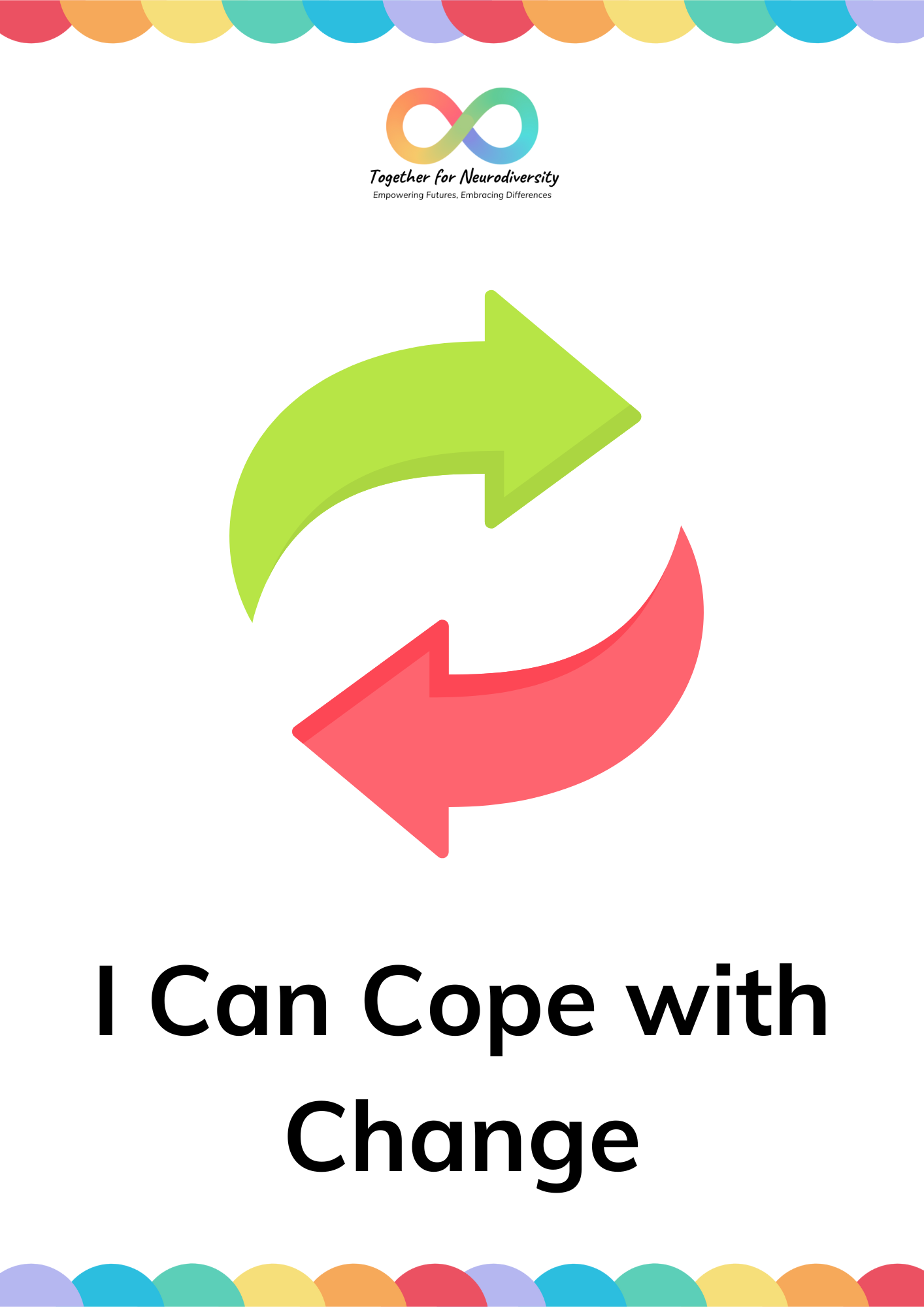
I Can Cope with Change
A reassuring social story that helps children understand change and build confidence when things are different. Supports emotional regulation and flexible thinking.
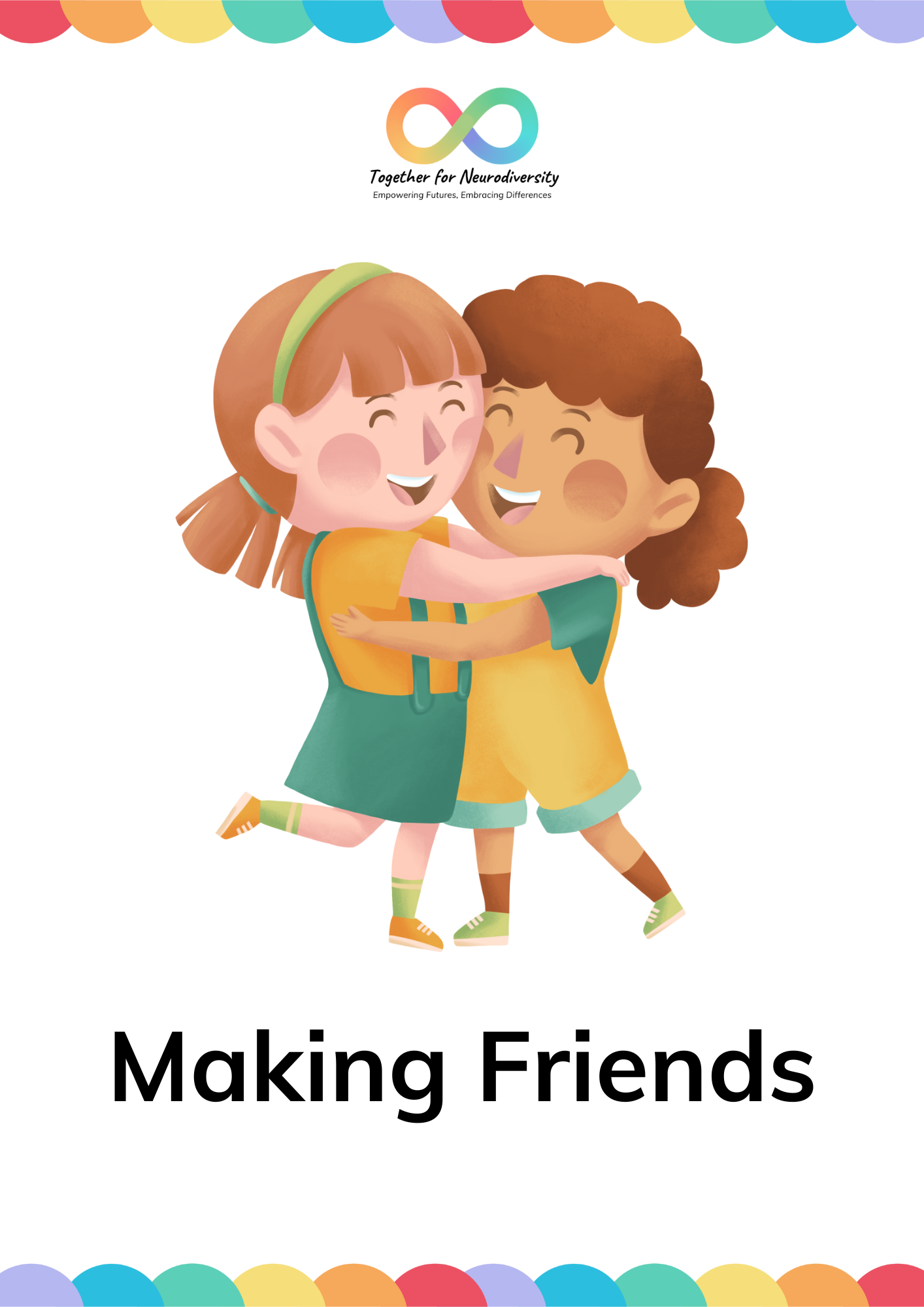
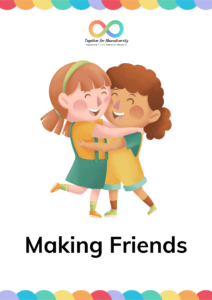
Making Friends
A supportive social story that helps children understand friendships and social interactions. Encourages confidence, kindness, and positive connection with others.
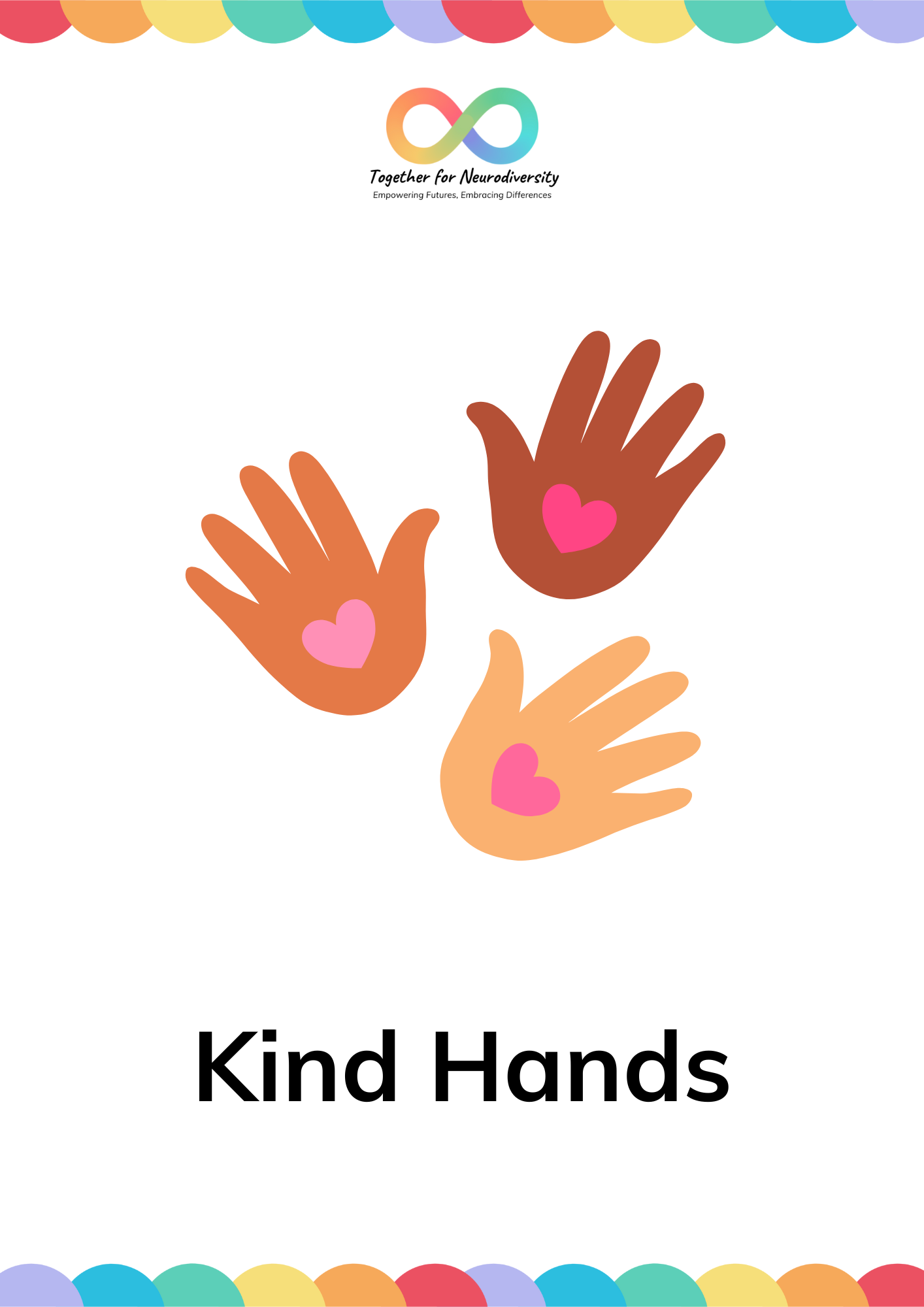
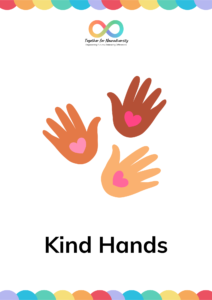
Kind Hands
A gentle social story that helps children understand using kind, safe hands. Supports positive interactions and respectful boundaries.

Kind Mouth
A supportive social story that helps children understand using kind words and respectful language. Encourages positive communication and social interactions.

Kind Feet
A gentle social story that helps children understand using safe, calm feet. Supports positive behaviour and awareness of others.

Making Good Choices
A supportive social story that helps children understand choices and their outcomes. Encourages thoughtful decision-making and positive behaviour.
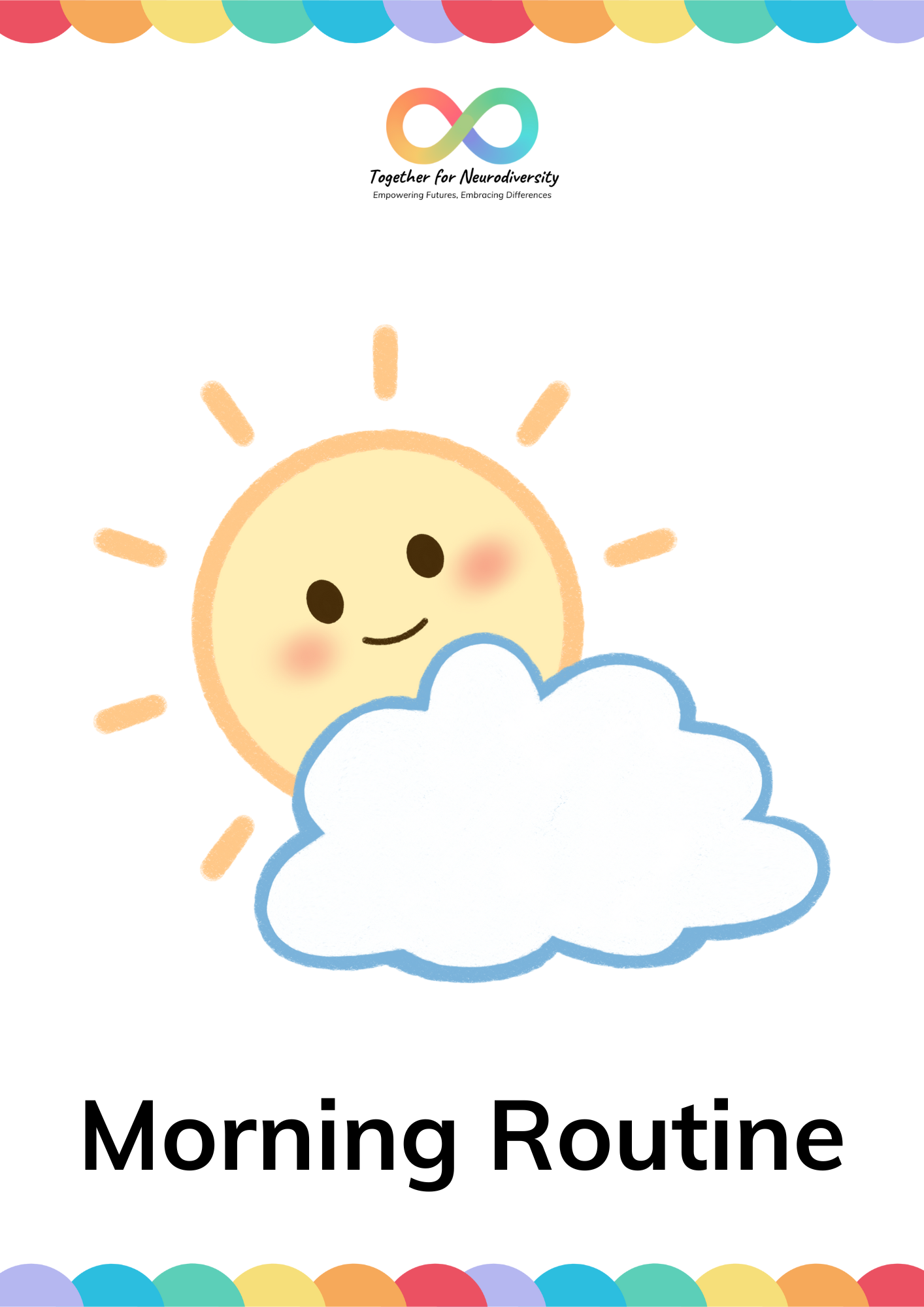
Morning Routine
A clear social story that helps children understand and follow their morning routine. Supports independence and a calm start to the day.
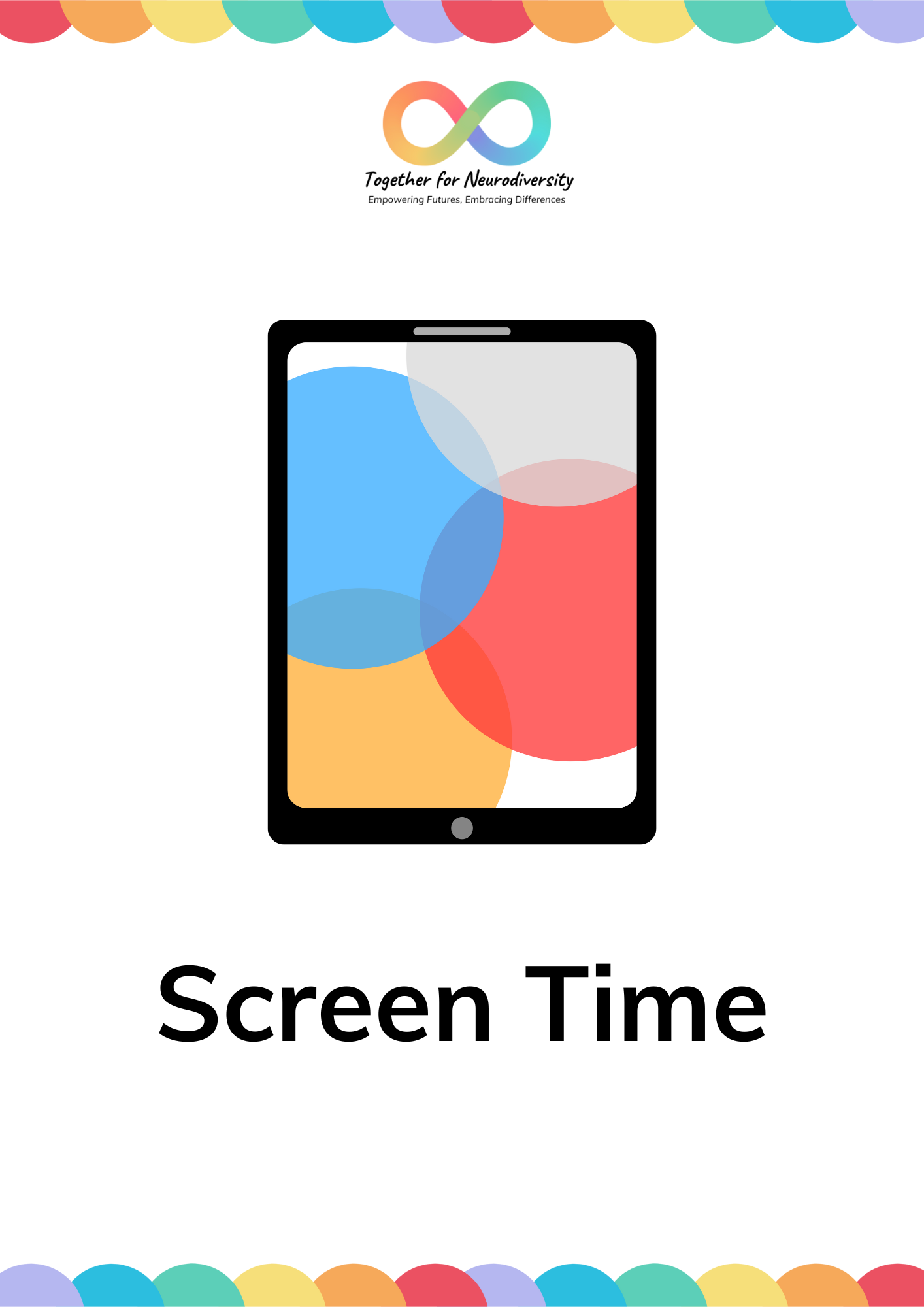
Screen Time
A clear social story that helps children understand screen time expectations and limits. Supports balance, transitions, and reduced frustration.
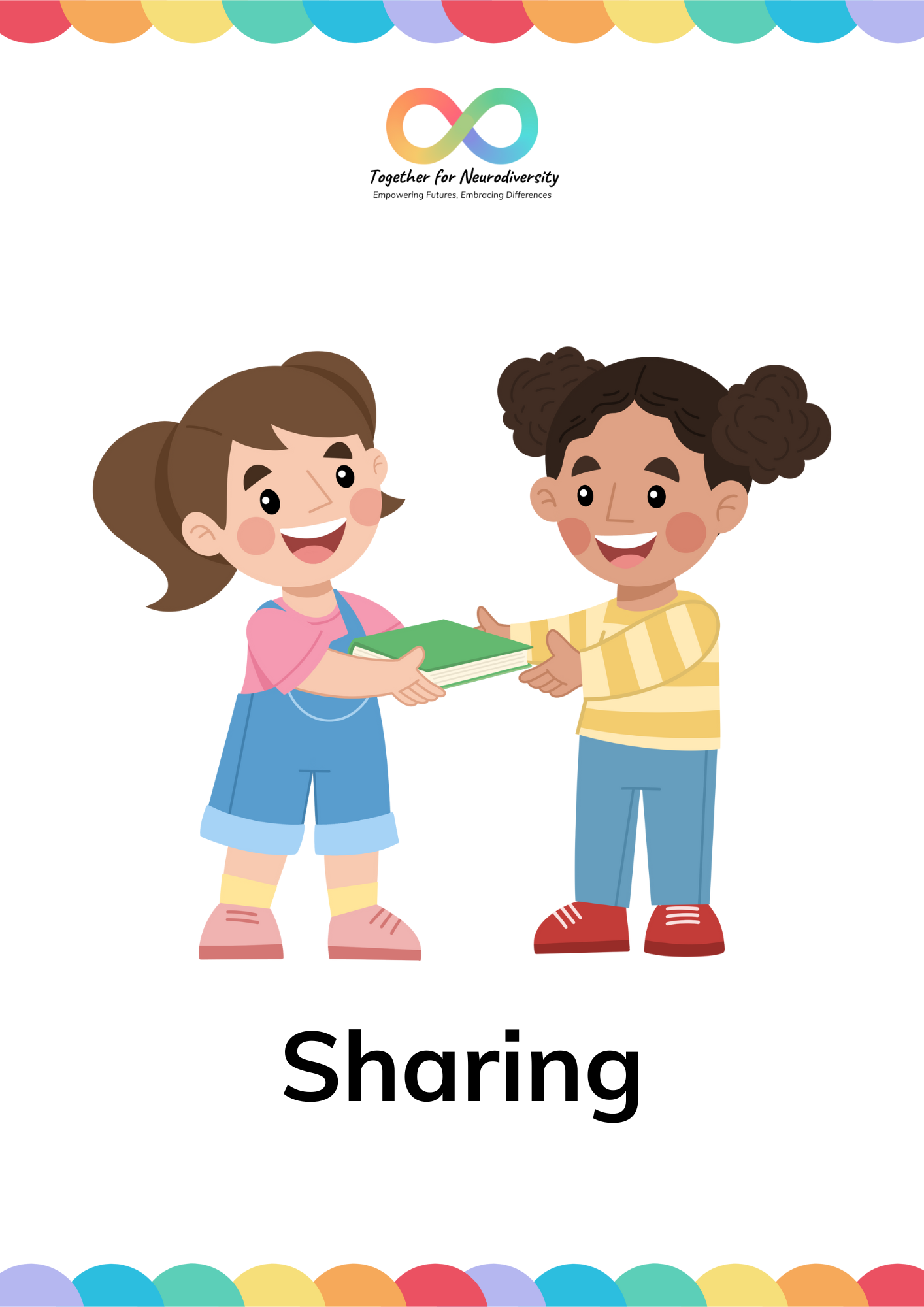
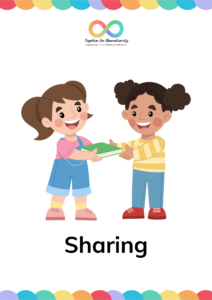
Sharing
A gentle social story that helps children understand sharing and taking turns. Supports positive play and social interactions.
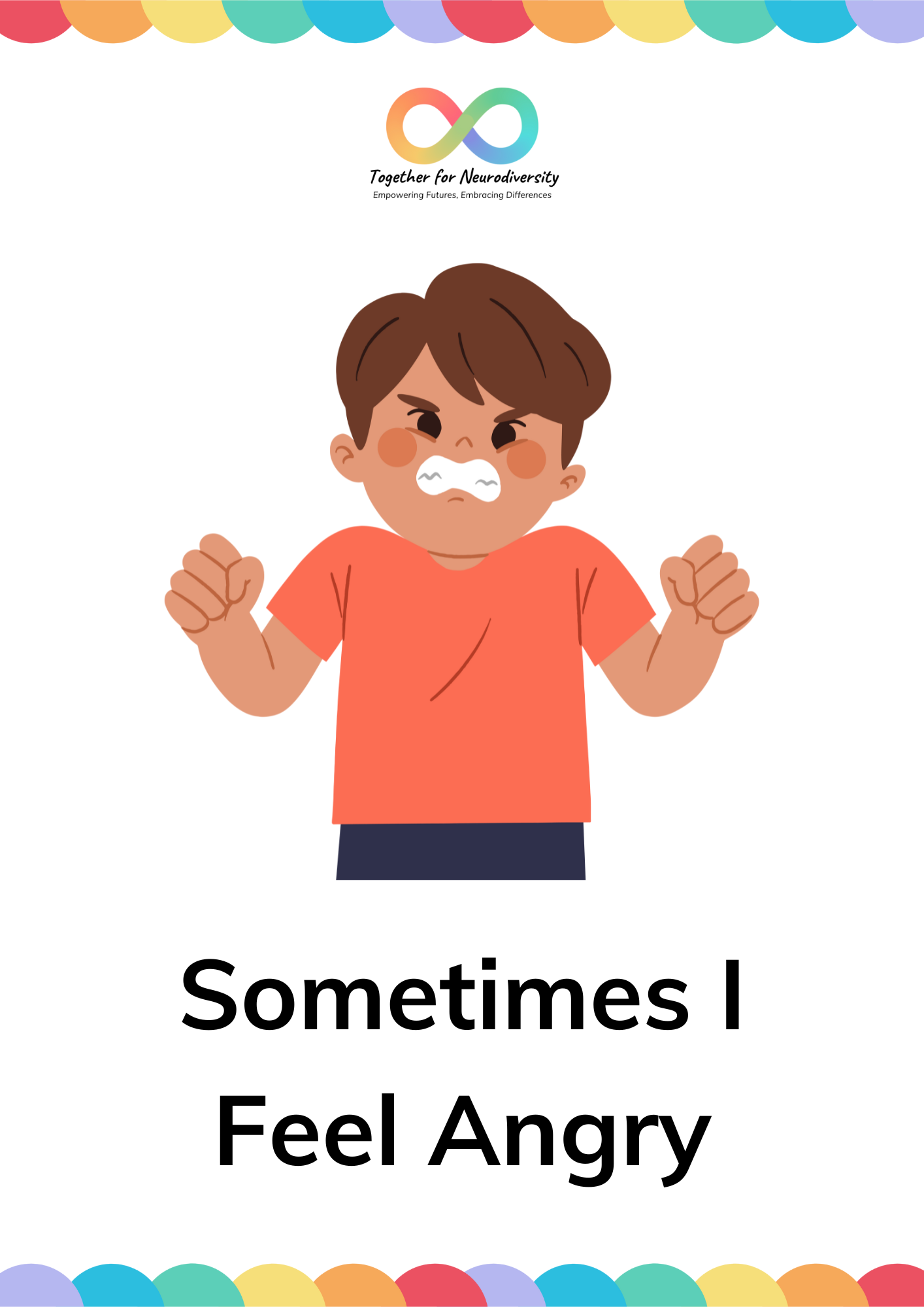
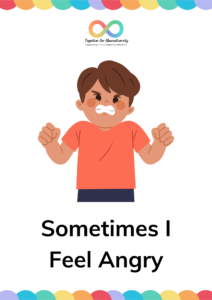
Sometimes I Feel Angry
A supportive social story that helps children understand feelings of anger and what to do when they feel angry. Encourages emotional awareness and calming strategies.

I am Starting School
A reassuring social story that helps children understand what starting school might look like. Supports confidence and reduces anxiety around new routines and environments.

Trying New Foods
A gentle social story that helps children feel safe and supported when trying new foods. Encourages confidence and reduces mealtime anxiety.

What Happens When I Throw or Hit
A clear, supportive social story that helps children understand the impact of throwing or hitting. Encourages safer choices and positive ways to express feelings.

When Things Don't Go My Way
A supportive social story that helps children understand disappointment and frustration. Encourages coping strategies and flexible thinking when plans change.

Why Screen Time Limits are Important
A supportive social story that helps children understand disappointment and frustration. Encourages coping strategies and flexible thinking when plans change.