If you've ever noticed an autistic person seeming “more autistic” in front of you than in other settings, consider it a compliment. It's a sign of trust. High masking autistic individuals often suppress their natural behaviours to fit into a neurotypical world—at a great cost to their mental and physical health. But when they drop that mask around you, it means they feel safe enough to be their true, authentic selves.
The Exhaustion of Masking
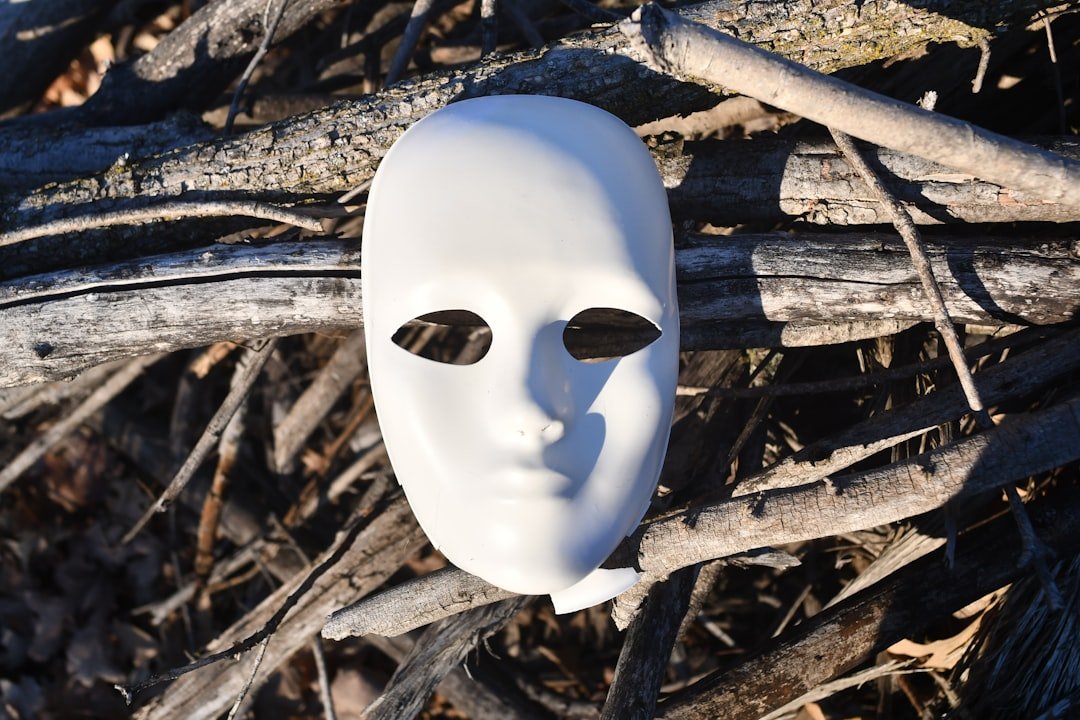
Masking refers to the act of hiding or minimising autistic traits in order to blend in with society. This can include forcing eye contact, suppressing stims (such as fidgeting or rocking), mimicking social cues, and even altering speech patterns. While masking can help an autistic person navigate social situations, it is exhausting and emotionally draining. Many autistic individuals experience burnout from constantly suppressing their true selves just to get by in daily life.
So, when an autistic person feels comfortable enough to stop masking in your presence, it's a huge deal. It means they trust you not to judge them or hold them to neurotypical standards. They are allowing themselves to be seen as they are, not as who they think society wants them to be.
Trust is Key
It's important to recognise that high masking is a survival mechanism. Society, workplaces, and schools often demand autistic people conform to rigid social norms. The fear of being misunderstood, judged, or ostracised is very real. That's why dropping the mask can be so freeing for autistic individuals, but they won't do it unless they feel truly accepted.
If a high masking autistic person is stimming more, avoiding eye contact, or letting their social scripts slip in front of you, it means they trust you. They no longer feel the need to hide or edit themselves. This is a sign that they feel safe in your company, and it's something to celebrate.
The Gift of Authenticity
When an autistic person feels able to drop the mask, you're seeing their authentic self—their real personality, unfiltered by societal pressures. It's important to view this not as someone "regressing" or "acting more autistic", but rather as them embracing who they are.
Creating spaces where autistic individuals feel comfortable unmasking is a powerful way to support their wellbeing. It allows them to conserve their energy, avoid burnout, and build deeper, more meaningful connections.
Embrace the Real Them
So, next time an autistic person seems "more autistic" around you, take it as a compliment. You're seeing the real them, and that's a gift. At Together for Neurodiversity, we believe that everyone should be able to live authentically, without the pressure to conform to someone else's idea of "normal".
By understanding and accepting unmasking, we can help make the world a safer, more inclusive place for all autistic people. Let's continue to embrace neurodiversity in all its forms—mask off, and all.